Weight Loss and Metabolic Management for MASH

Metabolic dysfunction-associated steatohepatitis (MASH) isn’t just a liver disease. It’s a metabolic disease that’s linked to other conditions, like obesity, Type 2 diabetes and hyperlipidemia (high cholesterol).
Advertisement
Cleveland Clinic is a non-profit academic medical center. Advertising on our site helps support our mission. We do not endorse non-Cleveland Clinic products or services. Policy
When you’re coming up with a plan to manage MASH (originally called non-alcohol-related steatohepatitis, or NASH), it’s important to think about your overall metabolic health. Gastroenterologist and transplant hepatologist Sobia Laique, MD, explains why this matters and offers tips to help protect your health.
Why metabolic management matters
Your liver plays a key role in how your body processes fats and sugar — and when too much fat collects in your liver, it can lead to inflammation and scarring. That’s why thinking about your overall metabolic health (how well your body creates and uses energy from the food you eat) matters.
In addition to obesity, Type 2 diabetes and high cholesterol, other conditions are linked to MASH, like:
- Hypertension (high blood pressure)
- Polycystic ovary syndrome (PCOS)
- Coronary artery disease
- Obstructive sleep apnea
- Obesity-related cancer, like breast cancer, endometrial cancer and colon cancer
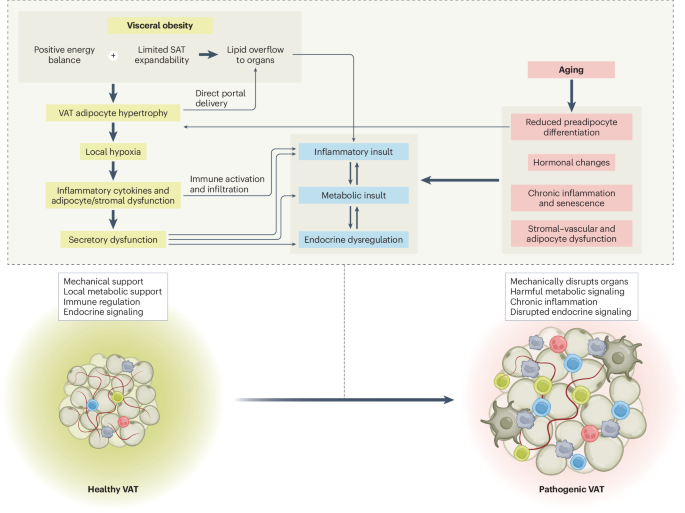
“Obesity is at the core of MASH,” explains Dr. Laique. “It drives the development of all of these other complications, which can ultimately lead to organ dysfunction or failure, which is MASH.”
So, what does metabolic management entail? It’s about keeping the following in healthy ranges:
- Your weight
- Your blood sugar
- Your blood pressure
- Your cholesterol
Doing so can help slow or even reverse MASH.
Dr. Laique offers advice on how to improve your metabolic health.
Focus on exercise
Physical activity is one of the best ways to manage MASH and other metabolic conditions. Not only does exercise help with weight loss, but it can also improve how your liver functions by reducing fat and inflammation.
Experts recommend that you get 150 to 300 minutes of moderate-intensity aerobic exercise (think walking or biking) per week or 75 to 150 minutes of high-intensity exercise per week (like running or high-intensity interval training). But you can slowly work toward that goal.
“Your healthcare team can work with you, in conjunction with an exercise physiologist, to help develop an exercise plan that’s compatible with any physical limitations you have, like a knee replacement or a bad back,” says Dr. Laique.
Rethink what you eat
If you’re eating a lot of foods that are high in fat and sugar (like baked goods, soda, fast food and processed meats), it can help to tweak your diet and focus on following the Mediterranean diet.
Eating healthy helps manage MASH and can also improve other metabolic factors, like your blood pressure, cholesterol and blood sugar. And a well-balanced diet can help you maintain a healthy weight.
Work on eating more:
- Lean protein
- Fish
- Fruit
- Vegetables
- Oats
- Legumes
- Whole grains
- Nuts and seeds
Discuss medications with your healthcare team
Your doctor may recommend certain medications geared toward reversing MASH and your overall metabolic health, like:
- Resmetiron (Rezdiffra®): This oral drug can help slow down or reverse MASH and scarring (fibrosis) in your liver.
- Semaglutide (Wegovy™): This GLP-1 medication will help with weight loss, improve diabetes and help treat/reverse MASH and liver fibrosis.
Think about bariatric (metabolic) surgery
“There are nuances in the severity of someone’s metabolic dysfunction, which will guide treatment strategies,” notes Dr. Laique.
For example, if you have obesity and advanced liver disease, your healthcare provider may discuss bariatric (metabolic) surgery (also known as weight loss surgery) with you.
“Bariatric (metabolic) surgery has consistently been the most effective strategy in reversing MASH and liver fibrosis completely,” she adds. “Studies show that for people who have progressed to early-stage MASH cirrhosis, bariatric surgery can significantly extend lifespan and prevent the need for a liver transplant.”
Key takeaways
When you’re coming up with strategies to manage your MASH, it’s important to think about your overall metabolic health — and getting within a healthy weight range.
Start by focusing on exercise and eating a well-balanced diet. Your doctor may also recommend medication and possibly bariatric surgery.
“MASH doesn’t happen in conjunction with obesity. Obesity is the causative factor of MASH,” stresses Dr. Laique. “MASH treatments are often focused on that component.”
link