High Blood Pressure Advice Updated for Americans
New U.S. guidelines for managing high blood pressure have been released that recommend forgoing alcohol, one step further than previous advice to limit drinking, and also highlight research linking high blood pressure to cognitive decline.
The 2025 joint report from the American Heart Association and the American College of Cardiology replaces the 2017 version.
Why It Matters
High blood pressure affects nearly half of all American adults and is the leading cause of death in the United States and worldwide, according to the American Heart Association.
The new guidelines, issued to support health care professionals, demonstrate a more aggressive approach to tackling the issue.

Getty Images
What To Know
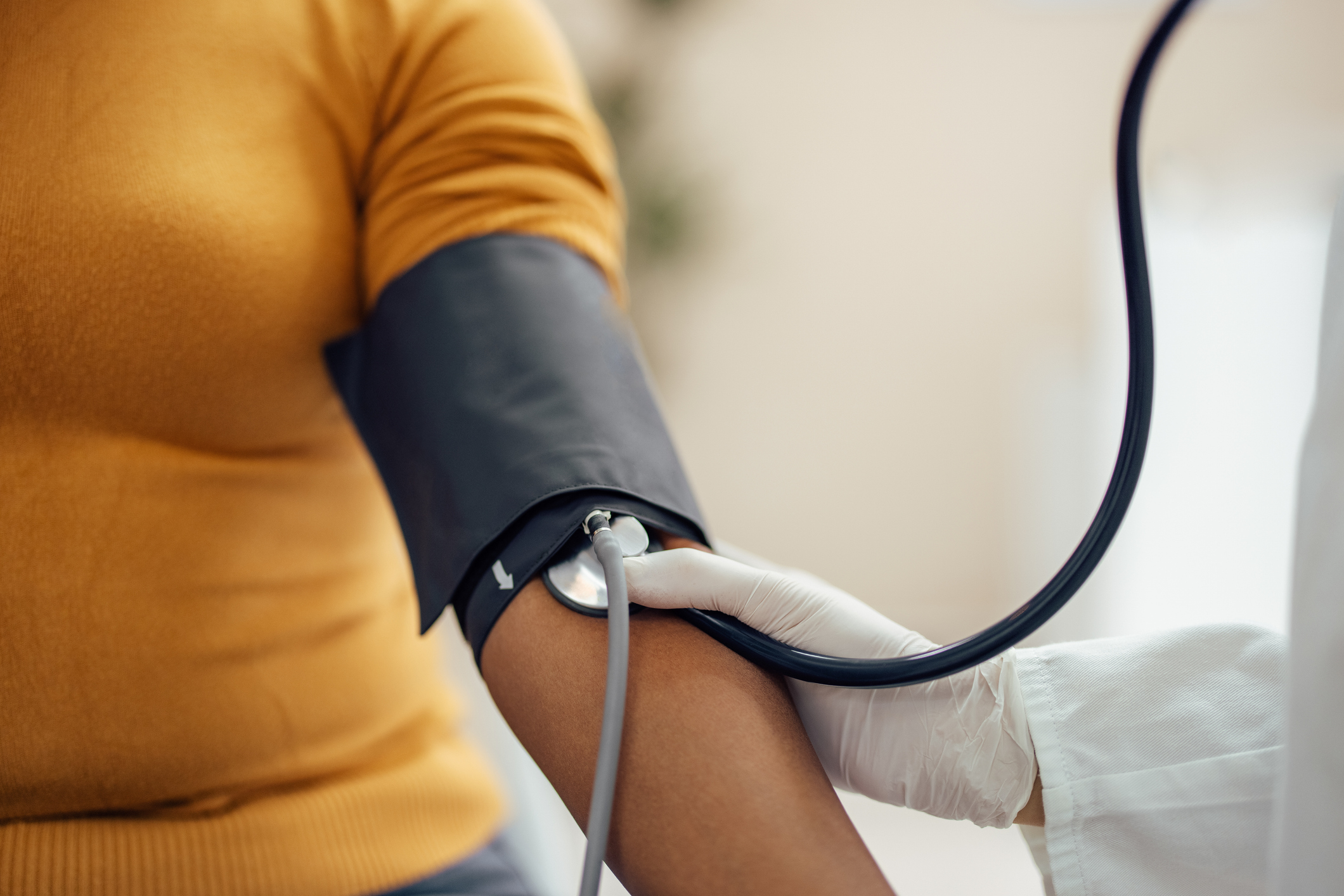
Blood pressure, measured in millimeters of mercury (mm Hg), is recorded as two numbers: systolic and diastolic. The systolic reading—the top number—reflects the force of blood as the heart pumps it into the arteries, while the diastolic reading measures the pressure when the heart rests between beats.
Under the new blood pressure guidelines, a systolic reading of 130–139 should first be managed with healthy lifestyle changes. If, after 3–6 months, blood pressure remains above target, medication is advised. This updates the 2017 rule, which recommended medication and lifestyle changes for readings over 140.
The new guidelines suggest lifestyle changes that could improve those readings. They include:
- Limiting sodium intake to less than 2,300 mg per day, moving toward an ideal limit of 1,500 mg per day by checking food labels
- Ideally, consuming no alcohol or, for those who choose to drink, consuming no more than two drinks per day for men and no more than one drink per day for women
- Managing stress with exercise, as well as incorporating stress-reduction techniques like meditation, breathing control or yoga
- Maintaining or achieving a healthy weight, with a goal of at least a 5 percent reduction in body weight in adults who have obesity or are overweight
- Following a heart-healthy eating pattern, for example, the DASH eating plan, which emphasizes reduced sodium intake and a diet high in vegetables, fruits, whole grains, legumes, nuts and seeds, and low-fat or nonfat dairy, and includes lean meats and poultry, fish and non-tropical oils
- Physical activity of at least 75-150 minutes each week, including aerobic exercise (such as cardio) and/or resistance training (such as weight training)
- Home blood pressure monitoring is recommended
High blood pressure has long been known to increase the risk of a heart attack or stroke.
The new guidelines also highlight recent research that suggests blood pressure affects brain health, including cognitive function and dementia. High blood pressure can damage small blood vessels in the brain, which have been linked to memory problems and cognitive decline, the release said.
It recommends early treatment for people diagnosed with high blood pressure with a goal of systolic blood pressure (top number) of <130 mm Hg for adults with high blood pressure.
Pregnant women with chronic hypertension are now recommended medications when systolic blood pressure reaches 140 mm Hg or higher and/or diastolic blood pressure reaches 90 mm Hg or higher, following growing evidence that tighter blood pressure control can help reduce the risk of serious complications.
What People Are Saying
Chair of the guideline writing committee Dr. Daniel W. Jones, dean and professor emeritus of the University of Mississippi School of Medicine, said: “This updated guideline is designed to support health care professionals—from primary care teams to specialists, and to all clinicians across health systems—with the diagnosis and care of people with high blood pressure. It also empowers patients with practical tools that can support their individual health needs as they manage their blood pressure, whether through lifestyle changes, medications or both.”
What Happens Next
New clinical guidelines on cutting cholesterol levels are scheduled for release in the first three months of next year.
link