Omaha health officials report spike in respiratory illnesses, urge early treatment
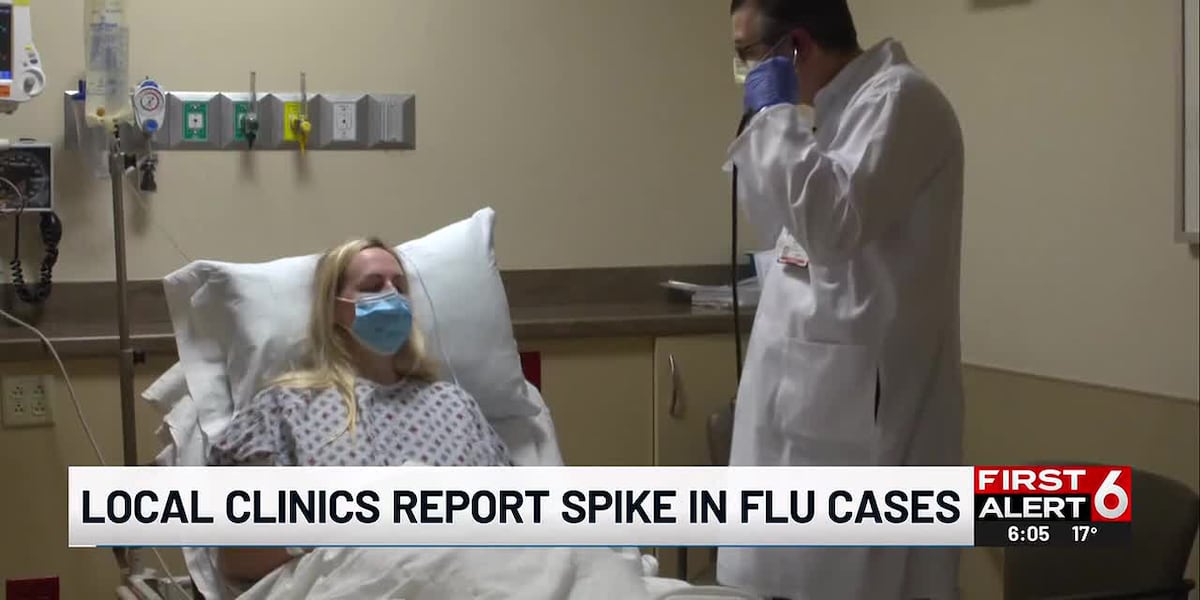
OMAHA, Neb. (WOWT) – Respiratory illnesses are surging across the metro area as flu and RSV cases spike several weeks earlier than usual, prompting doctors to warn residents about the importance of seeking timely medical care.
Douglas County reported 490 flu cases this week, up from just 109 last week. CHI Health doctors say last week accounted for more than half of this year’s total flu cases, and emergency rooms are seeing more children with severe respiratory symptoms.
“For influenza, we do have treatments available, and they work best when used within the first couple days of symptoms,” said Dr. Lillia Cherkasskiy of CHI Health. “So if you are kind of on the fence about going in to be checked out, my answer to that is, yes, we have something that will likely be able to shorten the duration of symptoms and the severity of symptoms.”
Health officials say two key factors determine whether patients should head to the emergency room or treat symptoms at home: overall health status and symptom severity.
People who are elderly or have underlying conditions like diabetes, asthma or weakened immune systems should get checked out right away if they start feeling sick.
For children, specific warning signs require immediate emergency room visits, including coughing fits that lead to vomiting, using stomach muscles to breathe, or bluish fingertips or lips.
“If you have a child who is having coughing fits that are leading to vomiting afterwards, or having to breathe really deeply using abdominal muscles to breathe, or even having fingertips turn blue or around the mouth turning blue, those are all signs that that child might be having trouble getting enough oxygen,” Cherkasskiy said. “Those would be signs to definitely get into the emergency room.”
High fevers above 103 degrees that last more than three days are another red flag requiring medical attention.
Antiviral medications for the flu only work if taken within the first day or two of symptoms. For most people, flu symptoms can be treated at home with rest and fluids.
RSV is especially dangerous for young children and the elderly, while both illnesses can quickly turn into breathing emergencies.
It’s not too late to get a flu shot, which takes about two weeks to become effective. The peak season for flu and RSV runs from December through February.
Doctors recommend washing hands frequently and wearing a mask when feeling sick to protect elderly or immunocompromised family members.
Copyright 2025 WOWT. All rights reserved.
link