Metabolic Risk Persists Even After Hepatitis C is Cured
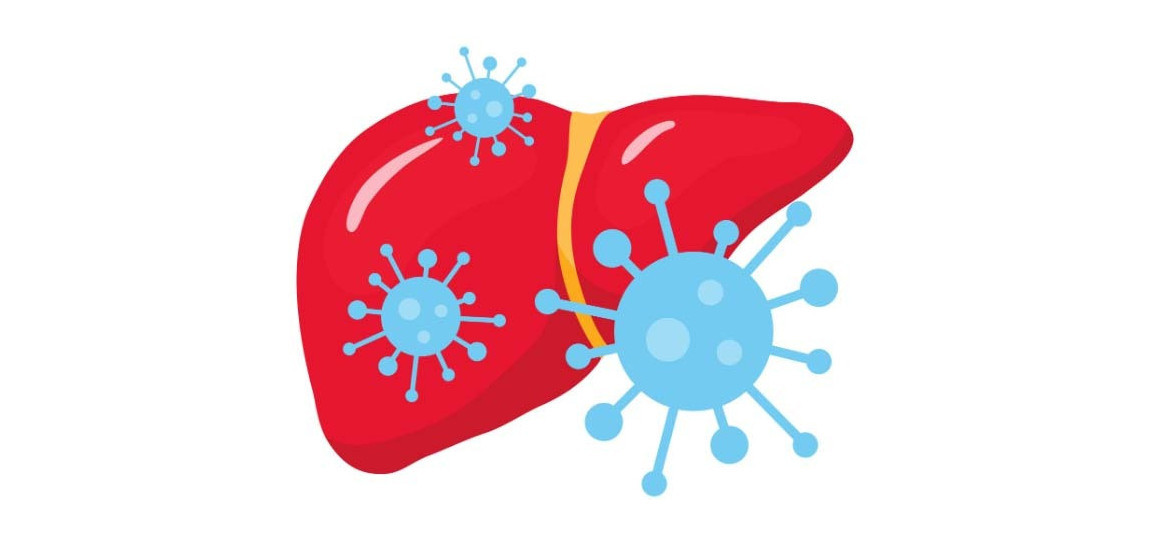
Direct-acting antiviral therapy usually cures hepatitis C—known as sustained virological response (SVR)—but its effect on liver fat accumulation (steatosis) has been less clear. New data presented at The Liver Meeting show that while treatment led to a meaningful reduction in liver fat in more than half of people, elevated cholesterol levels often persisted even after viral clearance.
Fatty liver, which is often present in people with chronic hepatitis C virus (HCV) infection, is often accompanied by metabolic abnormalities, such as elevated blood lipid levels. Over time, it can lead to fibrosis, cirrhosis and liver cancer. Won Kyung Cho, MD, MPH, of Long Island Jewish Forest Hills Hospital, and colleagues sought to understand whether a functional cure for hepatitis C would ameliorate preexisting liver fat and related clinical manifestations.
The team carried out a retrospective cohort study of 212 people with hepatitis C who were treated with antiviral therapy between January 2015 and December 2022 at a medical center in South Korea. The average age of the study population was 58 years, and 52% were women. At the beginning of the study, 27% of participants had fatty liver; 12% had Grade 1 steatosis, 9% had Grade 2 and 7% had Grade 3.
The researchers defined improvement in liver fat as at least a one grade decrease in steatosis, measured using transient elastography (FibroScan), from baseline to 24 weeks after the end of antiviral therapy. Liver fat decreased in 54% of study participants, remained the same in 37% and worsened in 9%.
“DAA-induced HCV eradication led to hepatic steatosis improvement in over half of patients with baseline steatosis, especially among those with high viral load and advanced steatosis,” the study authors wrote.
Advanced steatosis and a high HCV RNA level at baseline were independent predictors of liver fat improvement. This unexpected finding “suggests that in addition to metabolic factors, the viral burden itself may play a direct pathogenic role in steatosis development,” Cho told Healio.
The median FibroScan controlled attenuation parameter score, a measure of liver fat, decreased significantly after HCV treatment. The median Hepatic Steatosis Index (HSI) score declined slightly but stayed above the threshold for a steatosis diagnosis. However, steatosis improvement was not associated with changes in liver function and lipid test results. In fact, total and LDL cholesterol increased significantly after hepatitis C was cured.
“Despite normalization of liver enzymes, metabolic parameters such as HSI and LDL remained elevated, underscoring the need for continued metabolic risk management post-SVR,” the researchers concluded. “Prospective studies with longer follow-up and histologic validation are warranted to confirm these findings and assess long-term impact on liver outcomes.”
Click here for more news about hepatitis C.
link