‘It’s not him, it’s his hormones’: Voy’s controversial testosterone ads
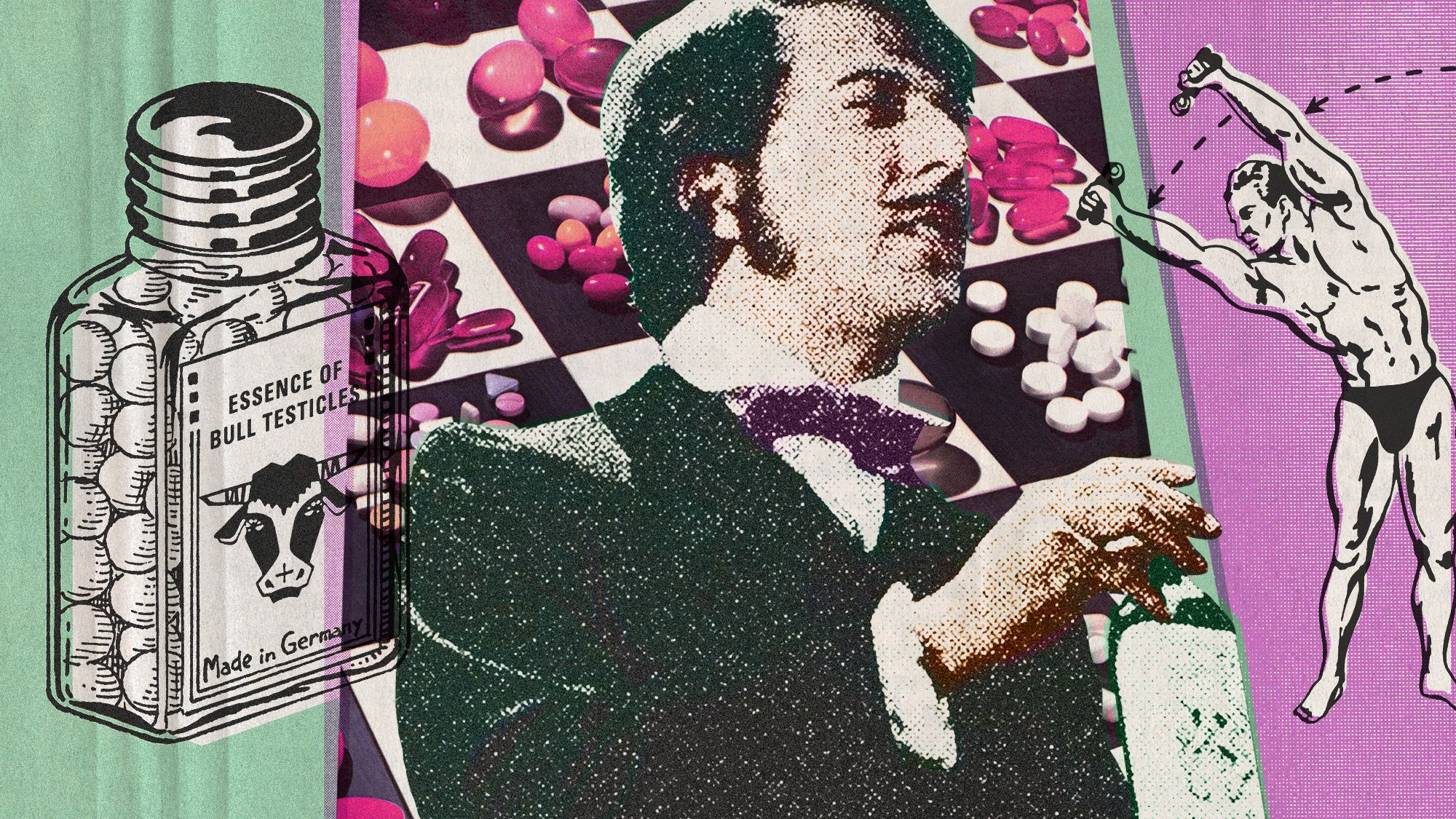
Men, if you’re feeling irritable, tired and have a low sex drive, the problem is a lack of testosterone, at least according to adverts plastered across London Underground stations.
“It’s not him, it’s his hormones,” says one such ad from Voy, which promises that you’ll “feel healthier, happier and stronger” with a testosterone top-up, but experts told The Telegraph that the claims are “exaggerated, unethical and dangerous”.
Painfully miscalculated
“Are your men hormones getting the better of you?” says one of the company’s ads. “Men get hormonal too,” said another. Many clinics are also offering testosterone boosts, with promotional material that is “peppered with photographs of muscular, grey-haired men running athletically along beaches”, said The Times. They promise that testosterone prescriptions can help “low mood, low libido, erectile dysfunction, poor sleep, mental alertness and depression”, plus “weight loss and gaining muscle at the gym”.
The Week
Escape your echo chamber. Get the facts behind the news, plus analysis from multiple perspectives.
SUBSCRIBE & SAVE
Sign up for The Week’s Free Newsletters
From our morning news briefing to a weekly Good News Newsletter, get the best of The Week delivered directly to your inbox.
From our morning news briefing to a weekly Good News Newsletter, get the best of The Week delivered directly to your inbox.
But Ashley Grossman, professor of endocrinology at the University of Oxford, told the broadsheet that he was “surprised” the advertising authority hasn’t “stepped in with these people”, because no NHS body and no pharmaceutical company would “dream of advertising testosterone replacement willy-nilly” that way.
The Voy ads are “rage bait” and “painfully miscalculated”, said Creative Bloq. Attempting to “commandeer the belittling sexist language of the women’s health sphere”, they are “hamfisted” and a “prime example of a thought-provoking concept” with “extremely questionable execution”. Yes, they’re “undeniably provocative”, but they “register more as a sarcastic appropriation” of stereotypes in women’s health advertising.
Testosterone levels naturally decline
The “myth” being “peddled” by testosterone sales companies is that men “suffer from a similar hormonal change as women in later life”, said The Telegraph, and the firms “also play on the strong association in popular culture between testosterone and vitality”.
But although some men suffer from a condition known as hypogonadism, which is associated with low testosterone, “its incidence is extremely rare in otherwise healthy men”, said the broadsheet, and for the “vast majority” of men, testosterone levels “drift down gradually and naturally” from middle age “without affecting mood, stamina or strength”.
Treating men who don’t need testosterone “tricks the brain” into thinking there’s enough testosterone, causing the testes to become “temporarily dormant and shrink”. It can also “cause bone marrow to produce too many red blood cells”, which makes blood thicker and increases the risk of a heart attack or stroke, said The Times. Taking illegal levels through steroids is also risky, because steroids are “addictive” and can cause infertility, liver and kidney damage, and mood swings.
A spokesperson for Voy told The Telegraph its advertising complied with regulatory guidance and was intended to raise awareness rather than market inappropriate treatment.
link