


What is RSV?
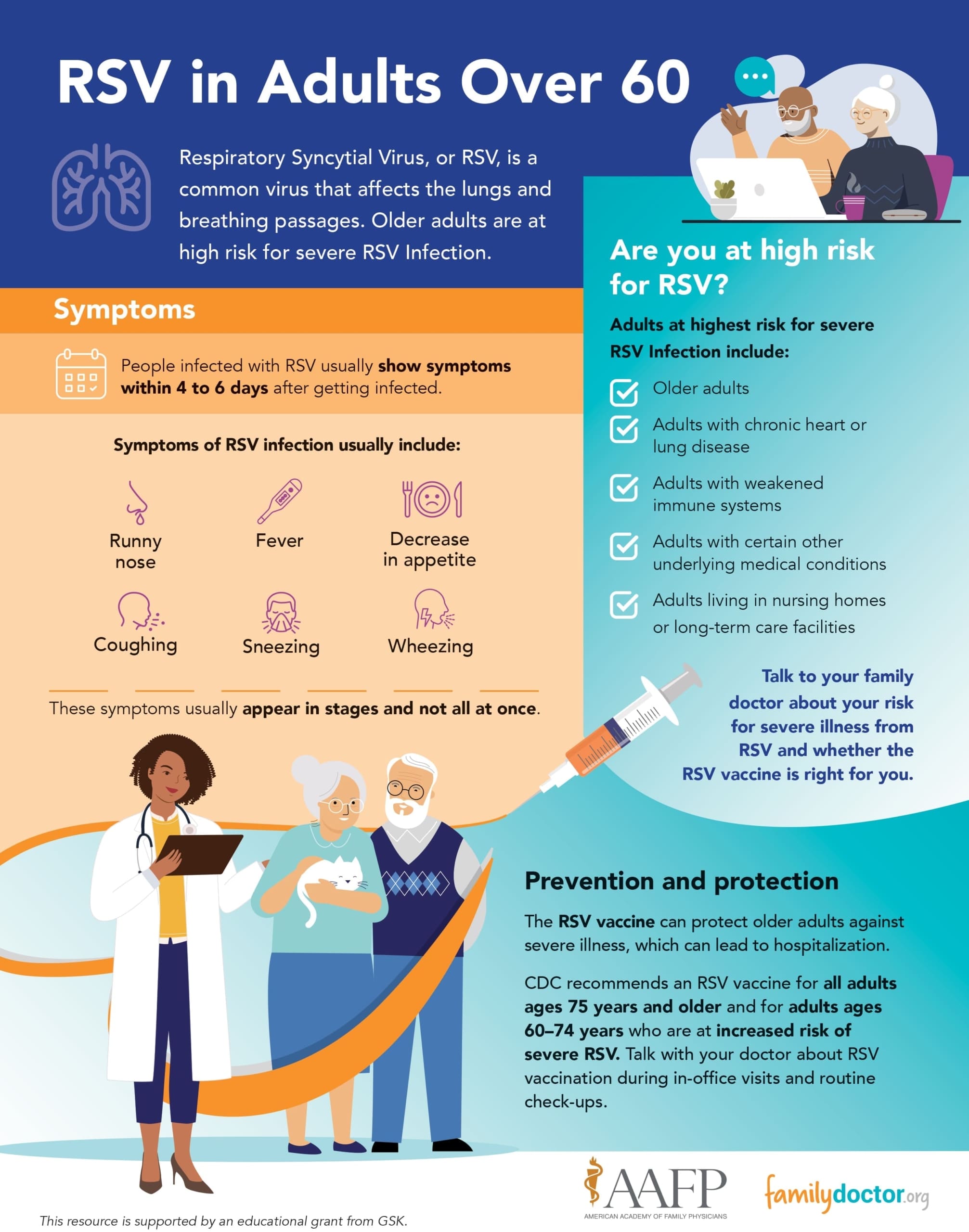
Respiratory syncytial virus (RSV) is a common virus that affects your lungs and makes it difficult to breathe. The virus is common in children under 2, however, people of all ages can get it. It is more serious for young and premature babies and older adults with poor health. Adults over 60 with heart and lung disease are at a particularly higher risk for getting the virus.
RSV is common in the spring and fall. Unfortunately, you can get the virus more than once in your lifetime.
Certain risk factors make young babies more likely to catch RSV. These include:
- Being underweight
- Congenital heart disease
- Weakened immune system (your body cannot fight infections)
- Lung disease
- Premature birth
- Neuromuscular disease (muscular dystrophy)
- Exposure to tobacco smoke while in the mother’s womb
Symptoms of RSV
Respiratory syncytial virus symptoms are different based on age. Older children and healthy adults have mild, cold-like symptoms. This includes a cough, stuffy nose, and low fever. Symptoms appear 4 to 6 days after catching the virus.
Infants (less than 1 year old), premature babies, and adults who are older than 60 with lung and heart disease have more serious symptoms. These can include:
- Runny nose
- Poor appetite
- Coughing
- Fever
- Sneezing
- Irritability (in babies)
- Trouble breathing (shortness of breath, wheezing, rapid breathing)
- Flaring nostrils as you breathe
- Bluish skin (due to lack of oxygen)
More serious infections can lead to:
What causes RSV?
RSV is a virus caused by a common germ found in lung infections. Children under the age of 2 typically get the infection. It is spread through sneezing, coughing, sharing food, cups, eating utensils, touching used tissues, and kissing a person with the virus. Touching your nose and mouth after coming into contact with an infected person can also spread the virus. RSV spreads quickly in crowded areas such as daycare centers, schools, and crowded living conditions (college dorms).
How is RSV diagnosed?
First, your doctor will do a physical exam and use a stethoscope to listen to your lungs. Your doctor will also ask you about your medical history and your exposure to public areas. Next, your doctor may perform additional tests to detect respiratory syncytial virus, including a rapid lab test (swabbing your nose), a chest X-ray (to check for pneumonia), and a blood test to check for dehydration. Your young baby’s doctor may order additional blood or urine tests for serious infections. Serious cases of the illness may require admission to the hospital.
Can RSV be prevented or avoided?
The FDA approved the RSV vaccine in May 2023. The new vaccines are now available.
The AAFP recommends:
- Infants younger than age 8 months born during or entering their first RSV season (typically fall through spring) are recommended to receive one dose of nirsevimab (50 mg for infants who weigh less than 5 kg and 100 mg for infants who weigh 5 kg or greater).
- Children ages 8 to 19 months who are at increased risk for severe RSV disease and entering their second RSV season are recommended to receive one 200-mg dose of nirsevimab.
- Women who are pregnant are recommended to receive a single dose Abrysvo (a vaccine manufactured by Pfizer, Inc.) between 32 and 36 weeks into their pregnancy. This will provide infants a measure of defense in the first few months of life when they are most vulnerable to severe disease.
The CDC recommends an RSV vaccine for all adults ages 75 years and older and for adults ages 60–74 years who are at increased risk of severe RSV. Conditions that increase your risk for severe illness include:
- Chronic heart or lung disease
- Weakened immune system
- Certain other medical conditions, including some people with diabetes and some people with obesity
- Living in a nursing home
link